
Benefit reception at High Concept Laboratories featuring Tatsu Aoki‘s MIYUMI Project 2/5/2012—photos by Daniel Guidara
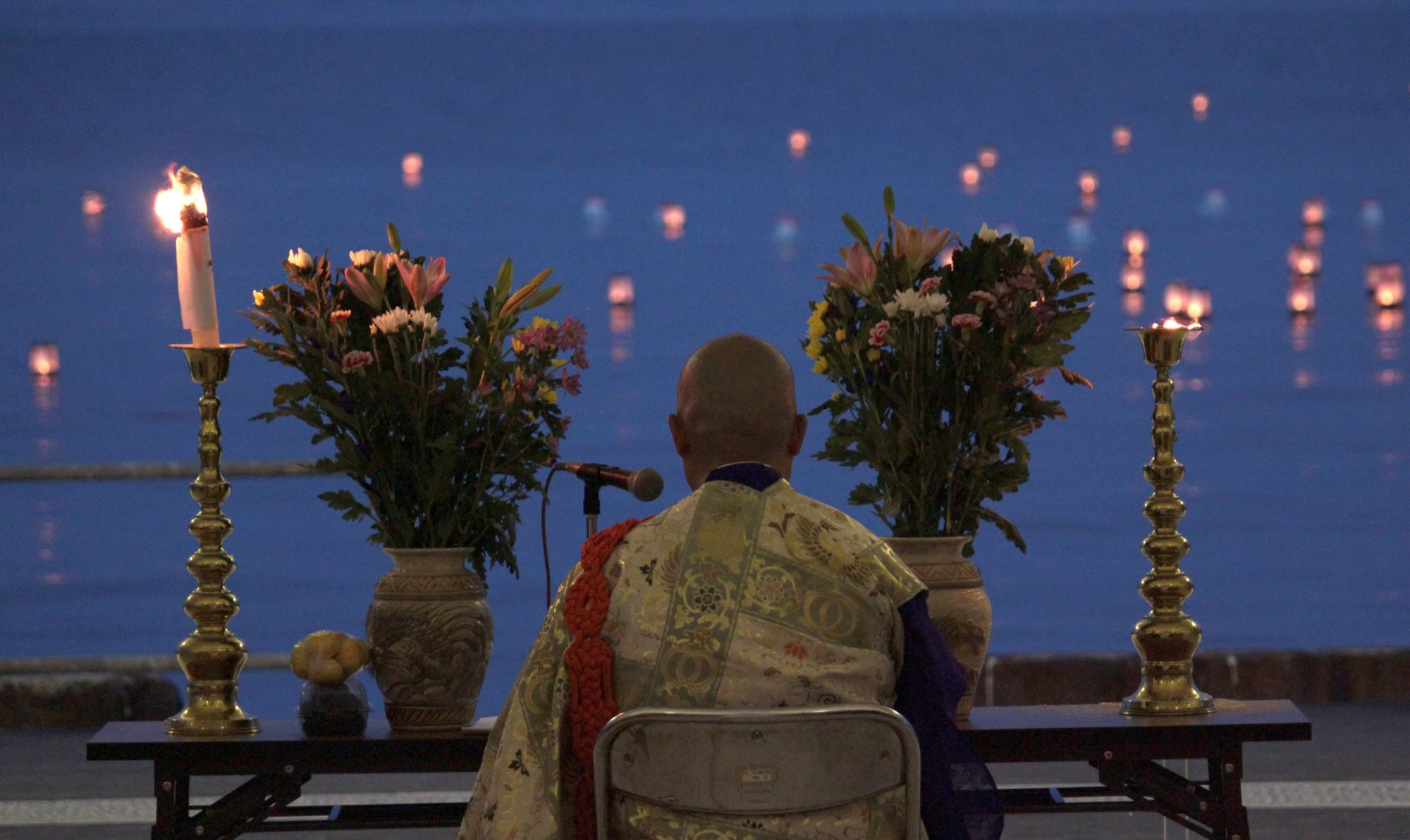
A documentary series about Fukushima farmers fighting to continue growing organic food on land contaminated by nuclear fallout


Benefit reception at High Concept Laboratories featuring Tatsu Aoki‘s MIYUMI Project 2/5/2012—photos by Daniel Guidara
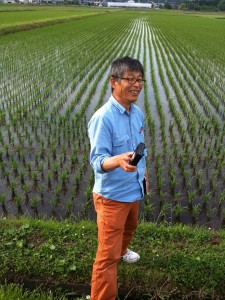
Uncanny Terrain is a documentary about organic farmers facing Japan’s nuclear crisis. Please support the production of the film.
Contributions are tax-deductible through our fiscal sponsors Asian Improv aRts Midwest and Ionia, Inc.
Make checks payable to AIRMW, memo: Uncanny Terrain. Mail to AIRMW, c/o JASC, 4427 N. Clark, Chicago IL 60640. Or donate online via PayPal.

by Sam Worley
Chicago Reader
Along with Junko Kajino, occasional Reader contributor Ed M. Koziarski is codirector of Uncanny Terrain, a documentary about effects from last year’s tsunami and nuclear crisis on Japan’s rice farmers. This preview screening event includes music by Tatsu Aoki and his band the Miyumi Project, and David Tanimura shows digital collages about the nuclear threat. RSVP required; e-mail uncannyterrain@gmail.com.

by Ed M. Koziarski
North Avenue Magazine
Jan. 28, 2012
When does a victim become a perpetrator? That’s the question that kept coming up as we made our way across the irradiated landscape.
Many foreigners fled Japan after the tsunami triggered a meltdown at the Fukushima Daiichi Nuclear Power Plant last March. My wife Junko Kajino and I went the opposite way, spending five months inside the U.S.-declared 50-mile no-go radius for our in-progress documentary Uncanny Terrain.


At Tokyo Hacker Space on 6/24/11, members of the NGO Safecast present the goals, methods, and results of their ongoing volunteer project to independently measure and map contamination levels from the Fukushima Daiichi Nuclear Power Plant fallout at hundreds of thousands of sites across Japan.
 Uncanny Terrain is a documentary about organic farmers facing Japan’s nuclear crisis, and an international online community fostering dialogue on food safety, sustainable agriculture, alternative energy and disaster response. Please keep the conversation going by making a tax-deductible donation.
These 15-second videos we produced for the Tokyo nonprofit Ganbatte 365 will appear on electronic billboards in Tokyo and Osaka.

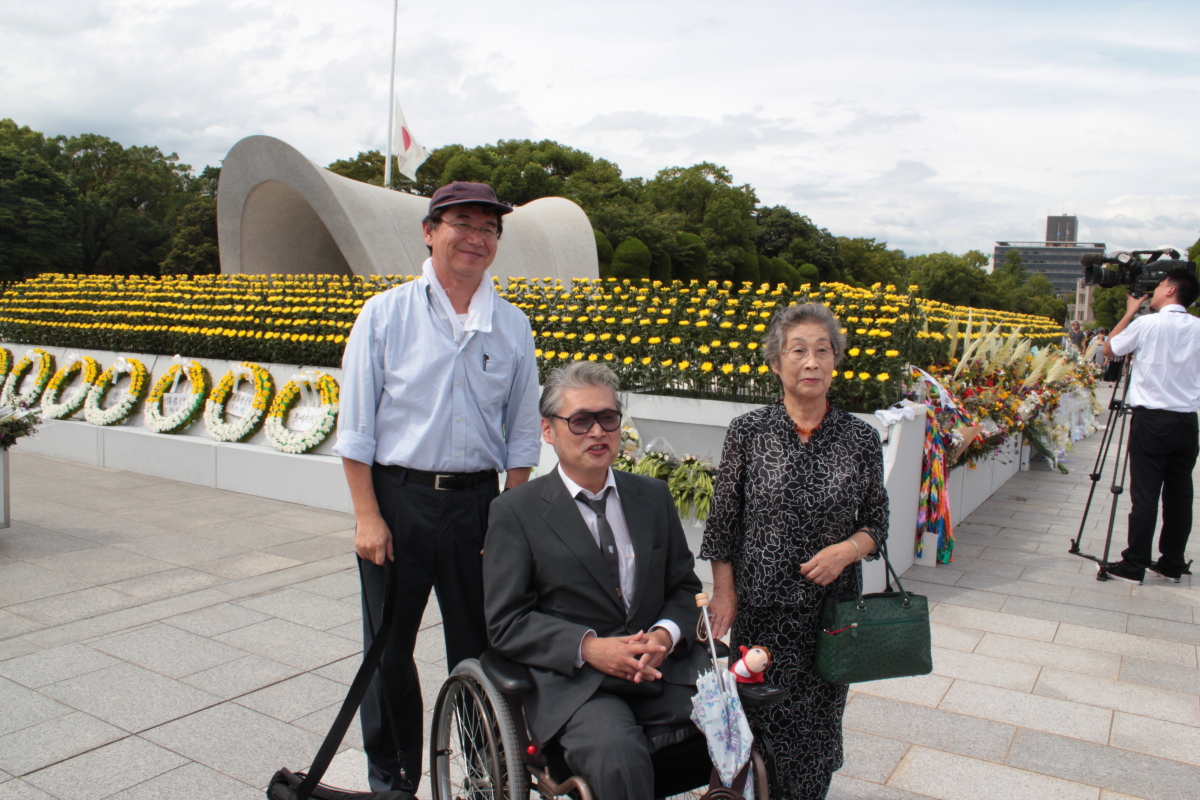
On Aug. 6 we attended the 66th anniversary of the world’s first nuclear attack in Hiroshima, with Yuji Ohashi, a Fukushima City bread company owner who is committed to rebuilding Fukushima in the face of the nuclear fallout.
But Steven Leeper, the first non-Japanese chairman of the Hiroshima Peace Culture Foundation, says Fukushima’s recovery will be much harder than Hiroshima’s was. He’s hopeful that in light of the Fukushima crisis, Japan might overcome the nuclear industry’s dominance of its national politics and lead an international movement for a future free of nuclear weapons and nuclear power.
Uncanny Terrain is a documentary about organic farmers facing Japan’s nuclear crisis, and an online community fostering international dialogue about food safety, sustainable agriculture, alternative energy, and disaster response. Please keep the conversation going by making a tax-deductible donation.


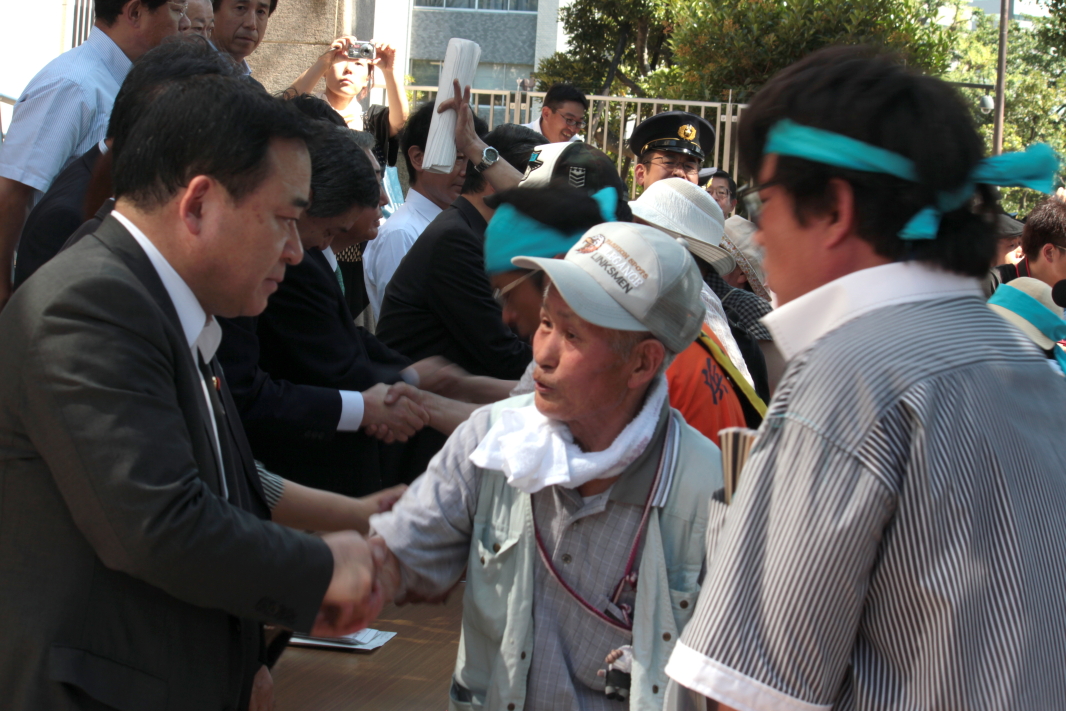
Tens of thousands of people evacuated due to radioactive fallout from the Fukushima Daiichi Nuclear Power Plant are living in shelters and storage unit-style temporary housing. Nearly 100 have committed suicide. Many relocation centers are in highly radioactive areas—sometimes higher than the towns that were evacuated.
On July 12, the evacuees held their first protest in Tokyo, marching from Hibiya Park to parliament, calling for their land to be decontaminated, and for better resettlement conditions. “Don’t forget us” was their rallying cry.


